
Snoring occurs when airflow is partially blocked during sleep, causing the tissues in the airway to vibrate. The blockage may be related to jaw position, airway anatomy, muscle relaxation, or sleep posture. In many cases the jaw plays a significant role in airway stability during sleep.
Sleep-Related Breathing Disorders
TMJ Snoring
Stop the snoring at its source. We address the jaw position and airway mechanics that drive TMJ-related snoring — so you (and your partner) finally sleep through the night.

TMJ & Airway Mechanics
About Snoring and TMJ
TMJ-related snoring refers to snoring that occurs as a result of temporomandibular joint dysfunction. The TMJ controls the movement of the jaw — when it malfunctions, the jaw can sit in a position during sleep that restricts airflow in the throat, which in turn produces snoring.
Mechanisms & Triggers
What causes snoring?
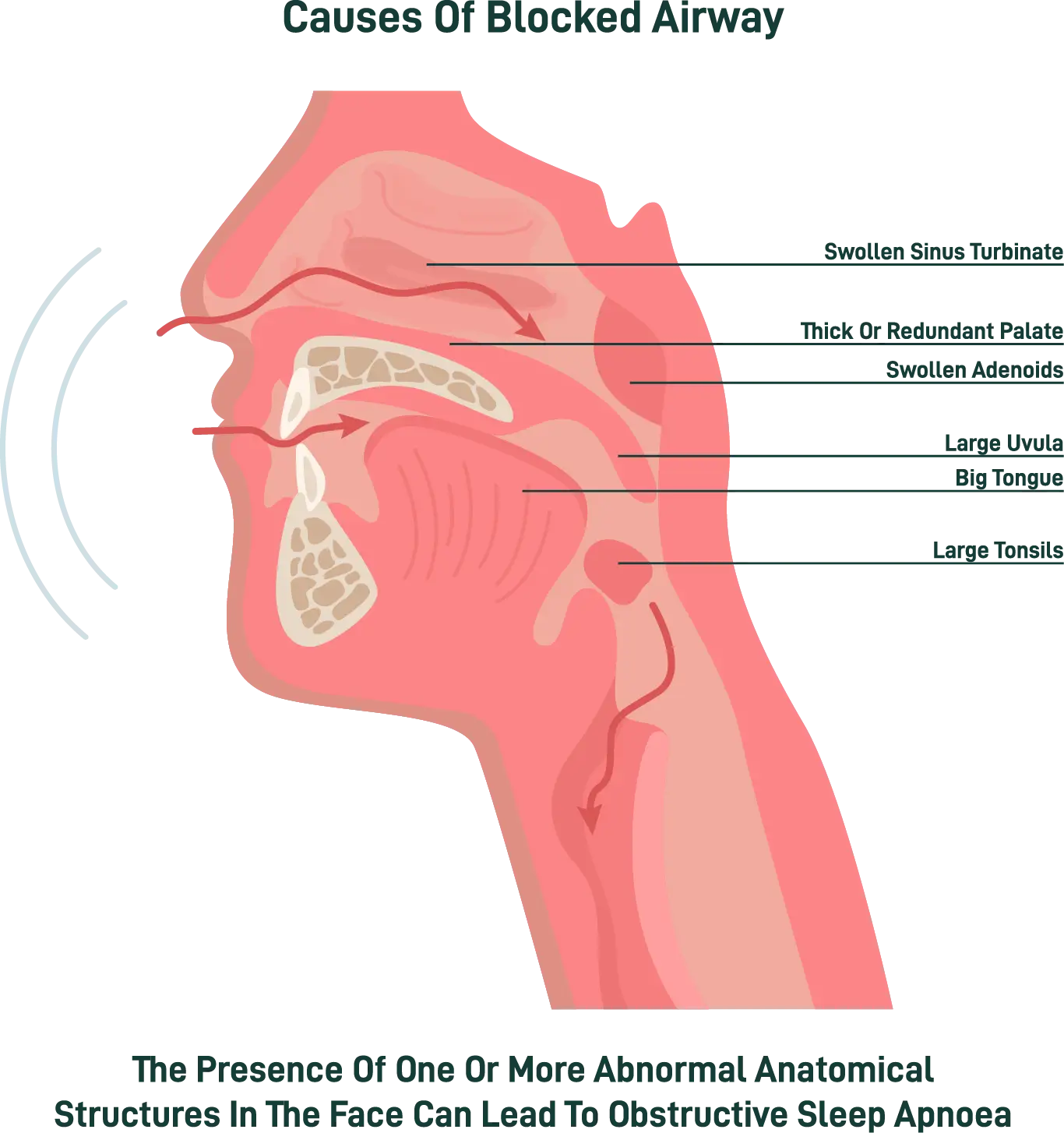
The exact mechanisms and causes of TMJ-related snoring can vary, but most involve one or more of the following:
Jaw Positioning
TMJ issues alter the resting position of the jaw, often shifting it backward during sleep. This narrows the airway and raises the likelihood of snoring.
Muscle Tension
TMJ dysfunction creates tension in the jaw and throat muscles, further obstructing airflow and amplifying the snoring sound.
Breathing Difficulties
An altered jaw position affects the soft tissues in the throat, making them more prone to vibrating during inhalation and exhalation.
Discomfort
Pain or discomfort from TMJ problems makes it harder to find a comfortable sleep position, potentially exacerbating snoring.
TMJ-related snoring is just one possible cause. Snoring can also result from sleep position, alcohol consumption, weight, or other medical conditions. If you suspect a TMJ connection, a proper evaluation is the right first step.
Your Path to Quiet Sleep
We Can Help Relieve Your TMJ Snoring!
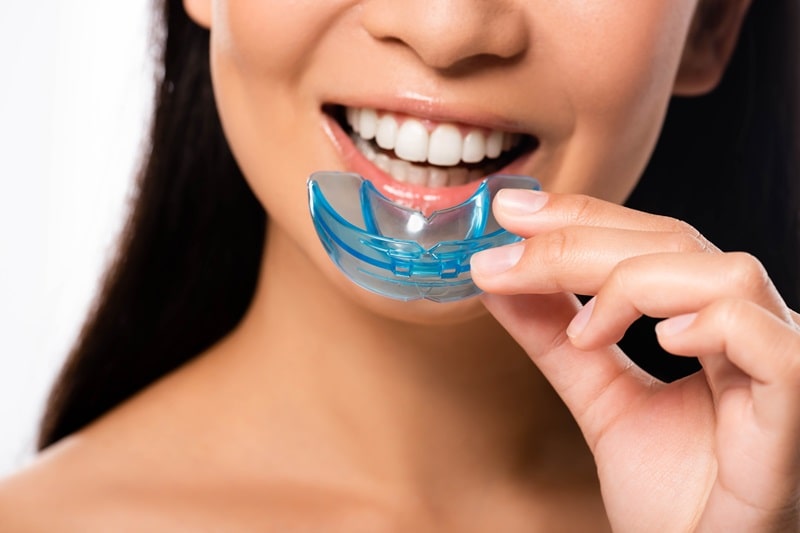
If you suffer from TMJ, your snoring may be directly related to your condition. By targeting the underlying causes — jaw misalignment, muscle tension in the mouth and neck — we can reduce your snoring and improve your sleep. Our specialized treatments include custom oral appliances and physical therapy.
Take the first step toward relief from snoring and other TMJ disorders. We look forward to partnering with you on the road to improved health and well-being.
FAQ
Frequently Asked Questions About Snoring Treatment in Cleveland
Consider seeing a snoring doctor if snoring is loud, persistent, or affecting your sleep quality — or your partner’s rest. Snoring accompanied by gasping, choking, or daytime fatigue may indicate an underlying sleep-related breathing issue that requires professional evaluation.
Yes. A snoring dentist in Cleveland can evaluate how jaw position and oral anatomy affect your airway during sleep. Dentists trained in sleep-related breathing disorders often provide oral appliance therapy designed to improve airflow and reduce snoring.
There are several effective snoring treatment options depending on the cause — oral appliances, jaw repositioning, airway-focused therapy, and lifestyle recommendations. The goal is to address the underlying cause rather than simply masking the sound.
A true snoring cure depends on the individual and the cause. Some patients experience significant, long-term improvement when jaw position and airway function are properly addressed. A comprehensive evaluation helps determine the most appropriate approach.
If you’re searching for snoring treatment near you, choose a provider who understands the relationship between jaw position, airway health, and sleep quality. TMJ- and sleep-focused care offers a targeted approach to managing snoring and improving overall rest.
Your First Step Toward Relief Starts Here
Start with a Simple TMJ and Sleep Screening
Do You Have TMJ?
Take our quick 2-minute assessment to find out if your symptoms may be related to TMJ disorder. Take TMJ Quiz
Sleep Apnea Risk?
Discover if your snoring, fatigue, or restless sleep could indicate sleep apnea with this brief screening. Take Sleep Quiz
Conditions We Treat
Non Surgical Solutions
Our treatments focus on craniofacial pain and sleep-related breathing disorders.